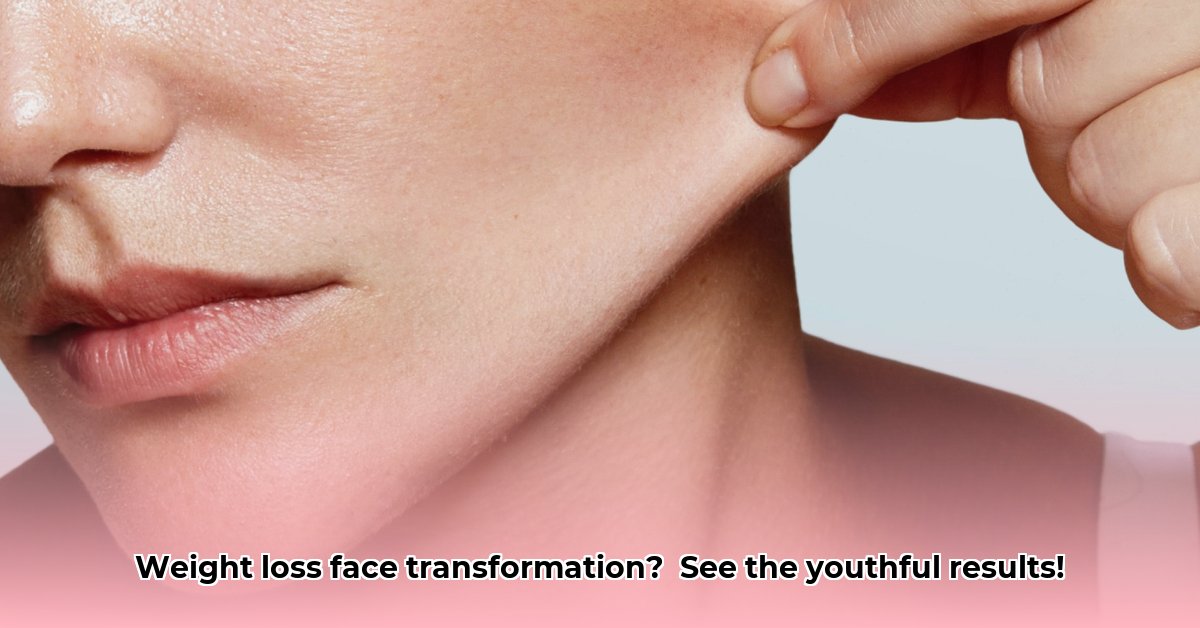
Losing weight is a transformative journey, impacting not only your overall health but also your facial appearance. While weight loss often reveals a more defined jawline and cheekbones, it can also lead to unexpected changes like sagging skin or the appearance of wrinkles. This comprehensive guide explores the science behind these facial transformations, offering practical advice and expert insights to help you achieve a youthful glow throughout your weight loss journey.
Understanding the Science Behind Facial Changes
Weight loss affects your face in several key ways. The most noticeable change is often a reduction in facial fat pads – the cushions beneath your skin. This reduction reveals underlying bone structure, resulting in a more defined jawline, prominent cheekbones, and a generally slimmer face. However, rapid or significant weight loss can also impact collagen and elastin, the proteins responsible for maintaining skin elasticity and firmness. A decrease in these vital proteins can lead to sagging skin or wrinkles. Therefore, understanding the interplay between fat loss, skin elasticity, and your overall weight loss strategy is crucial. Is it a simple case of less fat equaling a more defined face, or is there more to the story? Let’s explore.
What to Expect: Individual Experiences and Common Transformations
The changes your face undergoes during weight loss are highly individual. While a more sculpted look is common, the extent and nature of these changes depend on several factors:
Amount and Rate of Weight Loss: Gradual weight loss (1-2 pounds per week) is generally gentler on your skin, allowing for smoother adaptation. Rapid weight loss can increase the risk of sagging.
Age and Skin Type: Older skin, naturally less elastic, is more prone to sagging after weight loss. Similarly, skin type plays a role; inherently drier skin might show changes more readily.
Genetics: Individual genetic predispositions influence skin elasticity and the overall response to weight fluctuation.
Here are some common observations:
Jawline and Cheekbones: A more prominent jawline and prominent cheekbones are frequently reported, often considered desirable changes.
Eyes: Loss of fat around the eyes might make them appear more sunken or emphasize dark circles.
Overall Appearance: Many people find that weight loss results in a more youthful and refreshed appearance. However, some might experience increased wrinkles or sagging, highlighting the importance of a holistic approach.
The Nose: In some cases, the nose might appear more prominent due to the reduction of surrounding fat.
Dr. Anya Sharma, a leading dermatologist at the Mayo Clinic, notes, "The effects of weight loss on the face are multifaceted and highly individual. While desired changes often occur, proactive skincare and a gradual approach are essential to minimize unwanted side effects."
Strategies for Maintaining Healthy, Radiant Skin During Weight Loss
Maintaining healthy skin during weight loss is paramount. Here’s a practical guide:
Hydration: Drink plenty of water (at least 8 glasses per day). Hydration is crucial for plump, elastic skin.
Sun Protection: Always use a broad-spectrum sunscreen with SPF 30 or higher. Sun damage accelerates skin aging.
Targeted Skincare: Consider products containing retinol (boosts collagen production) and hyaluronic acid (hydrates and adds plumpness).
Nutrition: A balanced diet rich in antioxidants, Vitamins C and E, and omega-3 fatty acids supports skin health.
Consult a Dermatologist: Discuss any concerns about changing skin with a dermatologist for personalized advice.
Preventing Sagging Skin: A Comprehensive Approach
Significant weight loss can result in loose skin due to reduced skin elasticity and collagen. However, proactive measures can mitigate this:
Gradual Weight Loss: Losing weight slowly allows skin to adapt more effectively.
Hydration: Adequate water intake keeps skin hydrated and plump.
Nutrition: Focus on a diet rich in skin-boosting nutrients.
Strength Training: Builds muscle, providing underlying support to the skin.
Sun Protection: Minimizes further skin damage and aging.
Topical Treatments: While their effectiveness varies, certain topical treatments may improve skin texture and hydration.
Medical Interventions: In some cases, medical options like radiofrequency treatments or surgery may be considered. These should be discussed with a qualified professional.
Mental Well-being: Addressing any negative body image issues is crucial for overall well-being.
Weighing the Options: Treatment Considerations
A range of treatment options exists to address skin laxity after weight loss:
| Treatment Method | Pros | Cons |
|---|---|---|
| Non-invasive treatments (e.g., radiofrequency) | Less invasive, shorter recovery time, improved texture | Can be expensive, multiple sessions required, results may vary. |
| Surgical Body Contouring | More significant and long-lasting results | Invasive procedure, longer recovery time, higher cost, carries surgical risks. |
Remember, maintaining overall health and prioritizing skin care are critical components of a successful weight loss journey. Consult with healthcare professionals to determine the most suitable approach for your individual needs.